
Tanning is often misunderstood, especially for first-time clients. One of the most common phrases I hear is: “I always burn the first time, then I tan really well after.”
I want to be very clear—that is not a smart way to tan.
Burning is not a step in the tanning process. It is a sign that the skin has been overexposed before it was ready. Professional tanning is about understanding the skin, working with it gradually, and allowing color to develop over time.
This guide explains how tanning actually works, why skin typing matters, and how a structured exposure plan leads to better results and a more predictable tanning experience.
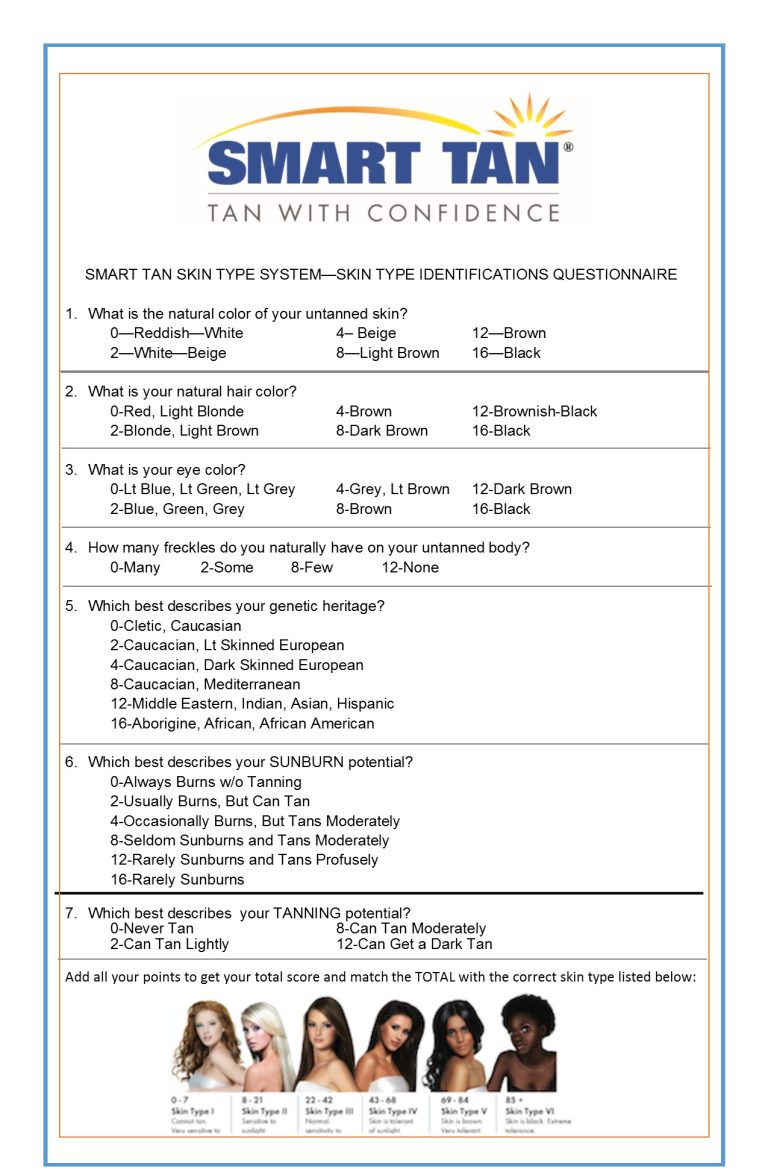
Understanding Skin Response: Fitzpatrick Skin Type Analysis
Every person’s skin responds differently to UV exposure. That is why professional tanning always begins with a Fitzpatrick Skin Type Analysis. This system evaluates how your skin naturally reacts to sun exposure based on factors such as:
- Natural skin tone
- Eye and hair color
- History of sunburns
- Ability to develop color
Your skin type determines where you start and how quickly exposure times increase. Skipping this step or guessing exposure time is one of the biggest reasons people burn early on.
Why Gradual Tanning Matters
Tanning is a biological process. When the skin is exposed to UV light, it produces melanin as a protective response. This process does not happen instantly.
A gradual exposure schedule allows the skin to:
- Adapt to UV exposure
- Increase melanin production steadily
- Build color without overwhelming the skin
Burning the first session and tanning later is not proof that the skin “needed to burn first.” It simply means the skin was overexposed initially and later recovered. That recovery phase does not improve results—it delays them.
Recommended Exposure Schedules by Week
Professional tanning follows a recommended exposure schedule that increases slowly over time. Early sessions are intentionally short. This gives the skin time to respond before increasing exposure.
Consistency and patience are what create a long-lasting tan.
Understanding Tan Development Time
Another important misconception is expecting immediate color.
A tan can take 24 to 48 hours to fully develop after a session. Tanning again before that process is complete does not make the tan darker faster—it often works against it.
Spacing sessions correctly allows each exposure to build upon the last.
Why Using a Tanning Lotion Is Beneficial and SPF is counterproductive
Hydration plays a critical role in tanning results. Dry skin reflects UV light, while hydrated skin absorbs it more evenly.
Professional tanning lotions:
- Improve hydration
- Support even color development
- Help maintain skin condition
- Extend the life of a tan
Using no lotion, household moisturizers or worse an SPF will often leads to no results, uneven results and shorter-lasting color. Plus SPF will damage the tanning bed, imagine what it does to your skin!
What to Expect During Your First Tanning Session
For first-time clients, understanding what happens inside the tanning room helps eliminate uncertainty.
- Gently step into the tanning bed and lie down comfortably
- Slowly close the top of the unit
- Always wear protective eyewear
- Press start when ready
- Adjust fans for comfort
Modern tanning equipment allows customization beyond a simple timer, giving clients more control over comfort and experience.
Education Over Assumptions
At Sunsations, we focus on education, not myths. The idea that burning first is part of tanning is outdated and unnecessary.
Using tools like the Smart Tan Skin Type System, ongoing staff education, and advanced tanning technology allows us to create tanning plans based on how skin actually works, not guesswork.
When tanning is approached with knowledge, structure, and consistency, clients experience better color, more predictable results, and greater confidence in the process.
Final Thoughts
Tanning is not about pushing limits—it is about working with the skin. A thoughtful, skin-type-based approach produces better results than rushing exposure or relying on past habits.
Understanding your skin, following a gradual plan, allowing time for development, and using professional products all play a role in achieving consistent color.
If you are new to tanning, education is the most valuable tool you can start with.
Now if you would like to learn about the differences between tanning beds and how the ratio of UVA, UVB, and red light affect your tan, read our next blog post—coming soon.
Frequently Asked Questions About Tanning for the First Time
Do you have to burn before you tan?
No. Burning is not part of the tanning process and does not improve results. Burning indicates the skin was overexposed before it was ready to respond.
How long does it take for a tan to show?
Tanning results can take 24 to 48 hours to fully develop after a session.
Why is skin typing important before tanning?
Skin typing determines starting exposure times and how quickly sessions increase, helping guide a structured tanning plan based on how skin naturally responds.
Why should I use a professional tanning lotion?
Hydrated skin tans more evenly and maintains color longer. Professional lotions are designed to support the tanning process, unlike SPF or household moisturizers.